
































Why modern self-care is about maintenance, not makeovers
Self-care for men and the rise of maintenance culture

The Shift Away From Makeovers, Towards Maintenance
There's a certain kind of language that's starting to feel tired: transformation, reinvention, before and after. For years, self-care has been framed as something dramatic, almost theatrical, a big change sparked by a crisis or a moment of dissatisfaction. For many men, that framing has never quite fit. It feels extreme, all or nothing, as if looking after yourself requires becoming someone else entirely.
What's emerging instead is something quieter and more sustainable: a shift away from makeovers and towards maintenance. Not because men have lowered their standards, but because they've raised their expectations of what self-care should actually do.
The End of Crisis-Led Self-Care
Traditionally, men have engaged with self-care reactively. Something goes wrong, stress builds to breaking point, energy drops, confidence wobbles, and only then does attention turn inward. It's not that men didn't care before, it's that care was often triggered by a problem that could no longer be ignored.
Maintenance culture turns that on its head. Rather than waiting for things to break, it focuses on keeping things ticking over, not perfectly, just well enough. This mindset feels particularly relevant now. Life has become more demanding in subtle ways: work rarely switches off completely, responsibilities overlap, and recovery time is harder to protect. In that context, self-care for men starts to look less like a response to crisis and more like a form of ongoing upkeep.
Why Extremes Have Lost Their Appeal
Extreme approaches tend to promise quick results: intense routines, total resets, dramatic change in short periods of time. For some people, that works. For many men, especially as they move through their thirties, forties, and fifties, it doesn't last. What tends to stick is consistency, habits that fit into real life, and self-care that doesn't require constant motivation or reinvention.
This shift mirrors broader cultural trends. According to insights from the Global Wellness Institute, long-term wellbeing practices are increasingly valued over short-term interventions. The emphasis is moving towards sustainability, balance, and integration. Men are part of that change: they're less interested in doing everything, and more interested in doing a few things well.
Maintenance as Confidence, Not Complacency
Maintenance is sometimes misunderstood as settling, as doing the bare minimum. In reality, it's often the opposite. Choosing maintenance means deciding that how you feel day to day matters, and that confidence isn't built through dramatic overhauls, but through reducing friction in everyday life.
When self-care becomes routine rather than reactive, it supports a steadier sense of self: less volatility, fewer peaks and crashes, more familiarity with how you want to feel. That steadiness feeds confidence, not bravado, just comfort. This is one reason maintenance resonates with men who've grown tired of chasing improvement for its own sake. It's not about becoming better. It's about staying well.
The Practical Side of Modern Self-Care
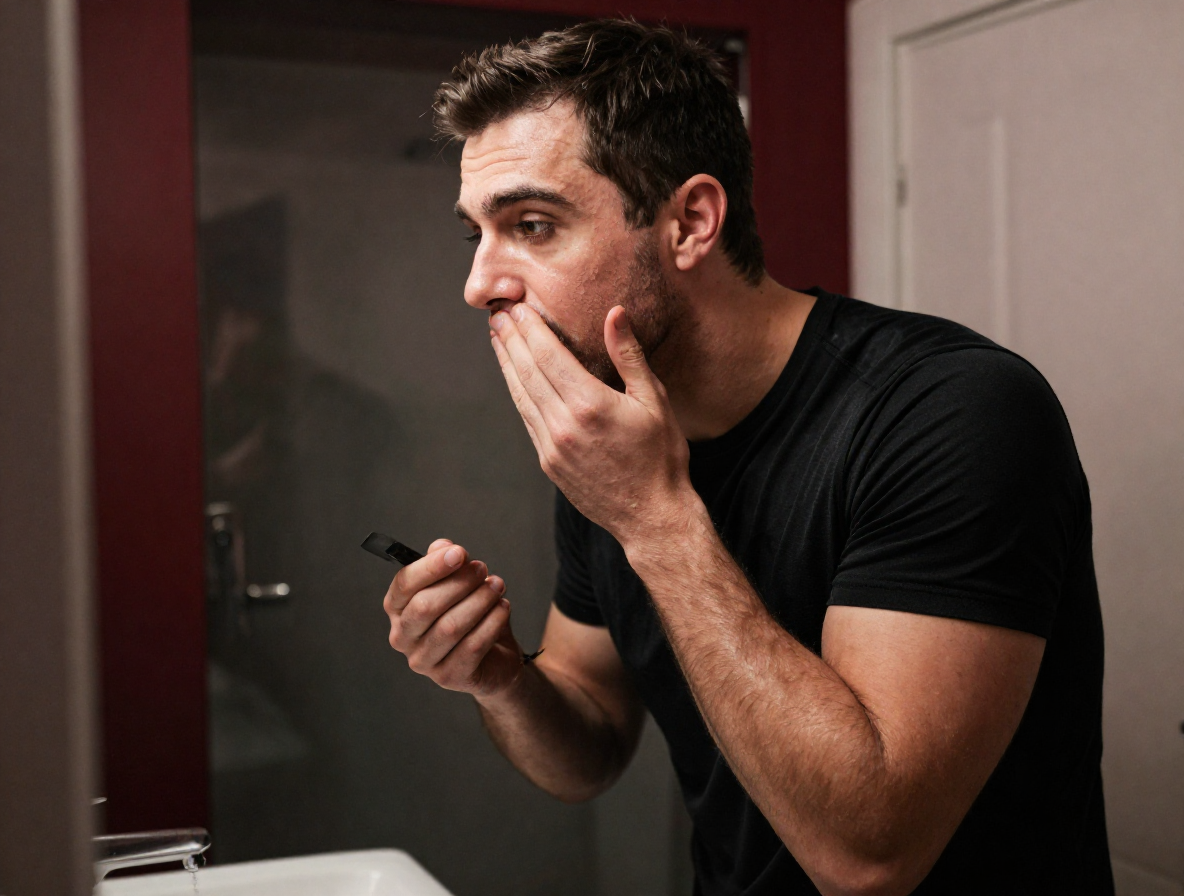
Maintenance-based self-care doesn't announce itself loudly. It's often made up of small, practical decisions: keeping sleep relatively consistent, paying attention to stress before it escalates, looking after skin not to look younger but to feel comfortable, and choosing movement that supports the body rather than punishing it. None of this is headline-grabbing. That's precisely the point.
The NHS consistently frames wellbeing as the result of everyday habits rather than singular actions. It's the accumulation that matters. For men, this reframing removes pressure. You don't have to get everything right. You just have to keep showing up for yourself in manageable ways.
Self-Care Without the Pressure to Perform
One of the advantages of maintenance-led self-care is that it removes performance from the equation. You're not doing it to impress anyone, you're not chasing an ideal. You're simply maintaining a baseline that allows you to function, feel, and engage more comfortably.
This is especially important in a culture saturated with comparison. Social media thrives on transformation stories. Maintenance doesn't photograph well, it doesn't go viral, but it works. Men who adopt this approach often describe feeling less anxious about self-care. There's no constant sense of falling behind or failing to keep up.
Self-care becomes something that supports life, rather than something that competes with it.
Interest in Self-Care for Men Is Growing
Globally, interest in self-care for men continues to rise. Search data and market research show increasing engagement with topics around men's wellbeing, routine, and long-term health. According to data from Statista, men's participation in wellness-related markets has grown steadily over recent years, reflecting changing attitudes and reduced stigma.
What's notable is that this growth isn't driven by extreme trends. It's driven by everyday practices: sleep, stress management, skincare, recovery. Men are looking for ways to integrate self-care into their lives without it becoming another thing to manage.
Why Choose Gentlemend
Gentlemend was built with maintenance in mind, not as a quick fix, but as a platform that supports ongoing self-care in a way that feels accessible and trustworthy. Whether someone is exploring services, learning what fits their lifestyle, or simply becoming more aware of their own needs, Gentlemend aims to remove barriers.
No pressure. No judgement. Just options. Maintenance-based self-care works best when it's supported by consistency: familiar environments, trusted providers, and experiences that fit into life rather than disrupt it.
You can explore self-care services and guidance across the Gentlemend platform to find what feels right for you, now and over time.
More on Body
Built, Not Filtered: The Modern Man’s Approach to Skin, Body, and Hair
Built, Not Filtered: The Modern Man’s Approach to Skin, Body, and Hair
4 Mar 2026 · 3 min read

Where Should Men Start With Aesthetic or Wellness Concerns?
Where Should Men Start With Aesthetic or Wellness Concerns?
4 Mar 2026 · 3 min read

Modern Stress Needs Modern Recovery
Modern Stress Needs Modern Recovery
4 Mar 2026 · 3 min read
Ready to take action?
Browse trusted UK clinics and book the treatment that's right for you.
Browse treatments